


Workers’ compensation claims for finger injuries are often dismissed as minor, but anyone who relies on their hands for work knows how disruptive even a single injured finger can be. Crush injuries, tendon and nerve damage, and amputations can permanently change an injured worker’s grip strength, dexterity, and coordination, affecting everything from lifting and tool use to fine motor tasks.
Because insurers and Labor and Industries (L&I) frequently push to close hand and finger injury claims quickly, workers who do not fully appreciate the extent of these injuries often accept less than their injuries are worth. Understanding how the system works is critical to protecting yourself from an undervalued claim and ensuring the long-term impact of the injury is fully recognized.
What Is the Average Workers’ Comp Settlement for a Finger Injury in Washington?
National workers’ compensation data provides a useful baseline for understanding how much compensation a finger injury deserves. According to national labor statistics, claims involving the hand and fingers average $28,326 per claim. These figures reflect common workplace injuries such as fractures, crush injuries, tendon damage, and loss of motion that require medical treatment and time away from work. While these national averages help frame expectations, they do not determine what a finger injury claim is worth in Washington.
Washington’s workers’ compensation system relies on a permanent impairment rating framework that focuses on documented loss of function, not averages. Two finger injuries with similar medical bills can result in very different outcomes, depending on which finger was injured and the extent of grip strength, motion, or sensation permanently lost. Without understanding how those factors are evaluated, workers risk accepting settlements that fall well short of the injury’s long-term impact.
How Washington Workers’ Comp Values Finger Injuries and Amputations
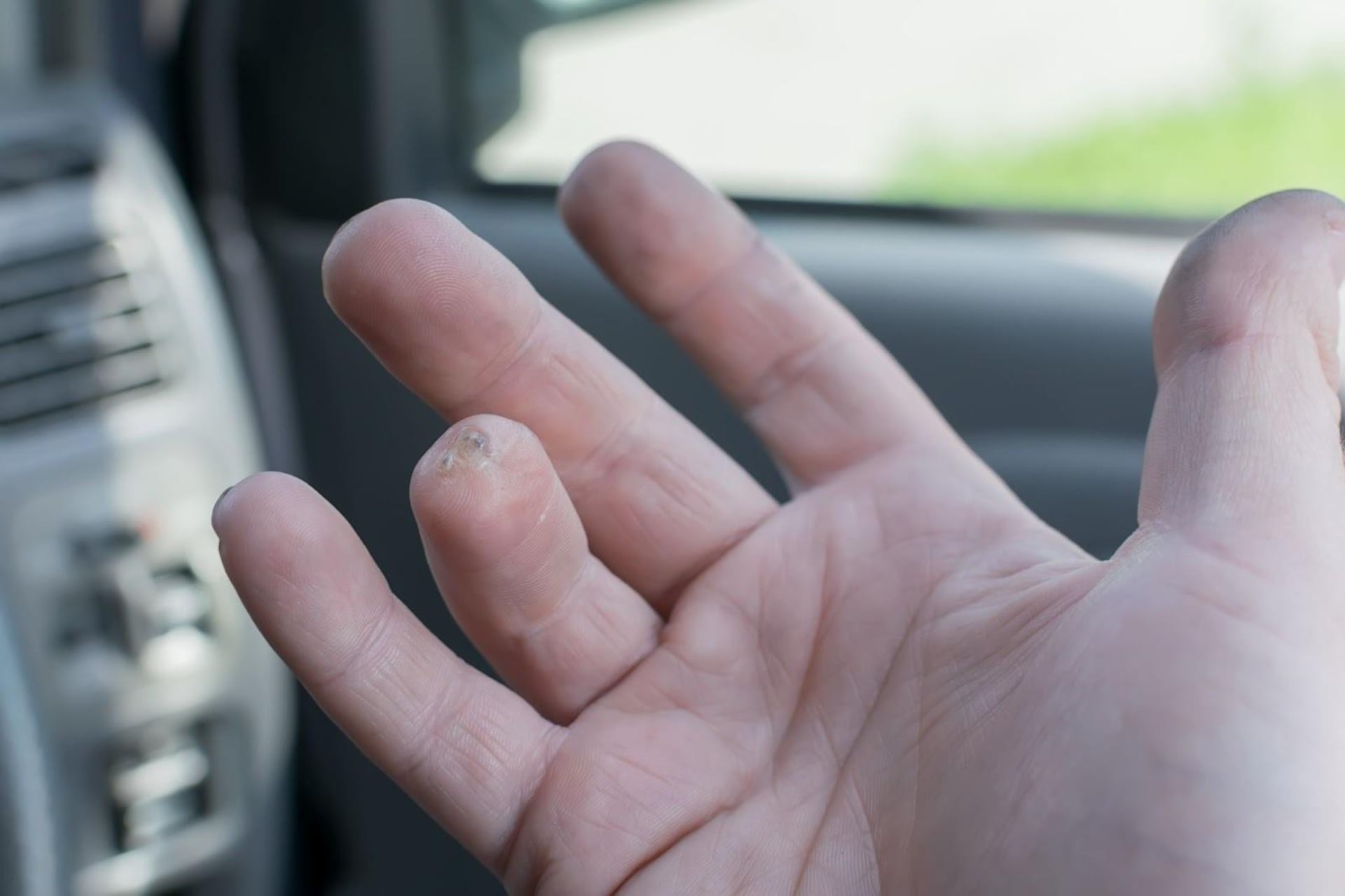
Washington treats finger injuries as scheduled permanent partial disabilities, meaning each finger is assigned a maximum dollar value based on total amputation at a specific joint. These amounts represent the upper limit of what L&I will pay for that finger if it is completely amputated at the listed level. Lesser injuries, such as loss of motion, nerve damage, or partial amputation, are then valued as a percentage of that total amount, depending on how much impairment is measured.
Below is the 2025 Permanent Partial Disability schedule used as the baseline for finger injuries. These figures represent the total of the listed fingers for amputations at the specified joint for 2025 injuries. Partial injuries are paid as a percentage of these amounts.
| Finger and Level of Loss | PPD Value (Total Loss) |
|---|---|
| All fingers except the thumb at the metacarpophalangeal joints | $85,643.55 |
| Thumb at metacarpophalangeal joint or with resection of carpometacarpal bone | $57,095.82 |
| Thumb at interphalangeal joint | $28,547.91 |
| Index finger at metacarpophalangeal joint or with resection of metacarpal bone | $35,684.88 |
| Index finger at proximal interphalangeal joint | $28,547.91 |
| Index finger at distal interphalangeal joint | $15,701.31 |
| Middle finger at metacarpophalangeal joint or with resection of metacarpal bone | $28,547.91 |
| Middle finger at proximal interphalangeal joint | $22,838.28 |
| Middle finger at distal interphalangeal joint | $12,846.66 |
| Ring finger at metacarpophalangeal joint or with resection of metacarpal bone | $14,273.94 |
| Ring finger at proximal interphalangeal joint | $11,419.26 |
| Ring finger at distal interphalangeal joint | $7,136.85 |
| Little finger at metacarpophalangeal joint or with resection of metacarpal bone | $7,136.85 |
| Little finger at proximal interphalangeal joint | $5,709.63 |
| Little finger at distal interphalangeal joint | $2,854.80 |
The information in these charts and the dollar figures listed are provided to help readers evaluate their claims. There is no guarantee that your claim will produce the same results. Past outcomes do not ensure future success. Each case is unique and will be evaluated independently. Your outcome will depend on various factors, including the facts, the law, timeliness, advocacy, and unforeseen circumstances.
The information on this website is provided to help interested persons understand the role that legal services play in the claim process. This data is intended solely for informational purposes and does not constitute legal advice. It is not a replacement for consultation with a qualified attorney about your specific legal situation. Click here for a free consultation with an attorney.
Complete amputations receive the full listed value, while partial amputations and non-amputation injuries are paid as a percentage of the scheduled amount, based on measured impairment.
Example 1: Total Finger Amputation at the Hand
A worker who completely loses an index finger at the metacarpophalangeal joint (the joint where the finger meets the hand) is considered to have a 100% loss. The award is based on the full scheduled amount of $35,684.88, which represents the maximum value for the loss of the entire finger at that level.
Example 2: Partial Finger Amputation Closer to the Fingertip
A worker who loses part of the index finger at the distal interphalangeal joint (the joint closest to the fingertip). The injury will be valued as a percentage of the full scheduled amount for that level, $15,701.31. If the injury results in a 30% permanent loss of the affected finger, the resulting settlement amount would be approximately $4,710.39, reflecting a meaningful but lesser permanent loss than a complete finger amputation.
Example 3: Severe Nerve Damage Without Amputation
A worker who keeps the index finger but is left with permanent numbness, loss of sensation, and intermittent chronic pain will be rated as a percentage of the full scheduled amount. A 30% impairment rating of the 100% figure of $35,684.88 would result in an award of approximately $10,705.46. Depending on how the nerve damage is documented, the 30% rating would be adjusted higher or lower.
Example 4: Permanent Stiffness and Loss of Motion
A worker with lasting stiffness and reduced hand function affecting fine motor skills after a fracture or tendon injury may receive a 20% rating to the 100% figure of $35,684.88, or about $7,136.98, based on measured loss of motion and reduced grip strength in the injured finger.
Example 5: Mild but Permanent Functional Loss
A worker whose finger heals but is left with a small, but measurable, limitation may be rated at 10% of $35,684.88, resulting in an award of approximately $3,568.49.
What Affects the Value of a Finger Injury Workers’ Comp Settlement?
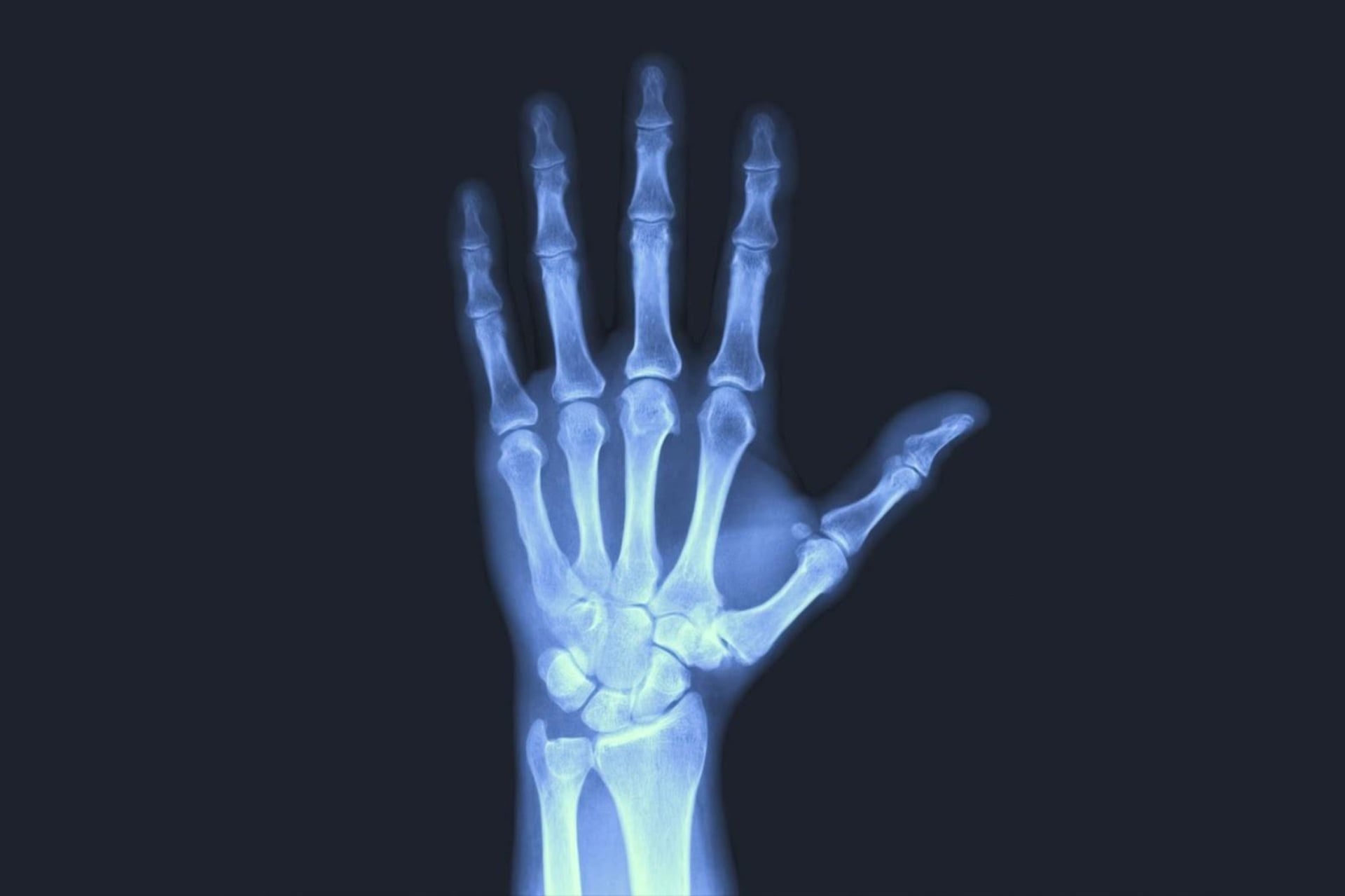
Once a finger injury is tied to the schedule, the question becomes where on that schedule the injury lands. Two workers with injuries to the same finger can receive very different awards depending on the impairment rating (IME). The details matter, and small differences often translate into thousands of dollars.
- The finger that was injured. Not all fingers are valued the same. Thumb injuries, along with index and middle fingers, generally carry higher scheduled values because of their role in grip, pinching, and fine motor control. Injuries to the ring or pinky finger tend to be valued lower, even when they still interfere with hand strength or coordination.
- Loss of motion, grip strength, or nerve function. Permanent stiffness, reduced range of motion, loss of sensation, or nerve damage can all increase the percentage applied to the scheduled value. Objective findings such as range-of-motion testing, grip strength measurements, and nerve studies play a major role in injury rating.
- Job duties and physical demands. Finger injuries are evaluated in a vacuum. A loss that might be manageable in a desk job can be career-altering for a mechanic, carpenter, warehouse worker, or healthcare worker. However, your finger is worth the same amount as any other person’s finger without regard to how it affects your job. However, see (Alvin’s story) for the big picture as to how impairment ratings and ability to work interact.
- Permanent work restrictions. If a treating doctor places permanent restrictions on gripping, lifting, repetitive use, or tool handling, those restrictions will not support a higher impairment percentage. Restrictions that limit employability may involve vocational assessment and possibly a pension.
This is also where many claims go wrong. When claim management focuses narrowly on ending the L&I claim, rather than return to a substantial gainful occupation, important aspects of the claim are ignored. Once a claim is closed, fixing a mismanaged claim becomes far more difficult, which is why understanding the many factors involved can make a measurable difference in the outcome.
Do You Need a Lawyer for a Finger Injury Workers’ Comp Claim?
Many finger injury claims move through the system with little resistance, especially when the injury heals cleanly and no permanent limitations remain. Problems arise when an injury leaves an impairment or a lasting loss of function, and the claim is pushed toward closure before that loss is fully recognized. You should strongly consider hiring a workers’ compensation attorney if any of the following apply:
- Your finger injury resulted in permanent stiffness, loss of motion, or reduced grip strength that affects how you work.
- You have numbness, tingling, or nerve damage that was minimized or ignored during an independent medical exam.
- Your claim is being closed with a low impairment rating that does not match your medical findings.
- You were sent to an independent medical examiner (IME), and they downplayed your symptoms or attributed them to non-work causes.
- You cannot return to your prior job because of permanent restrictions on gripping, lifting, or repetitive hand use.
- Your treating doctor’s findings conflict with L&I’s rating or were not fully included in the impairment rating.
- Your case was closed before maximum medical improvement.
- Your injury involves multiple fingers or a combined hand impairment, which increases complexity and the risk of undervaluation.
At this stage of a claim, legal guidance often makes the difference between a rating that reflects the true impact of the injury and one that leaves permanent loss uncompensated.
How We Help With Finger Injury Workers’ Comp Claims
Finger injury claims often fail due to details that are easy to miss and hard to fix later. Our role is to make sure those details are identified, documented, and valued before the claim is closed. That includes reviewing medical records for overlooked loss of motion, strength, or sensation, challenging impairment ratings that do not reflect real functional loss, and pushing back when L&I or a self-insured employer relies on bogus IMEs to minimize permanent limitations. When an injury affects your ability to return to the same job, we focus on making sure that impact is fully recognized within the workers’ compensation system.
We also help you understand your options before you are locked into an outcome that undervalues your injury. That may involve keeping a claim open long enough to finish medical care, document lasting limitations, correcting low ratings, or advising against premature settlements that fail to account for long-term consequences. Our goal is not to rush claims to closure, but to protect the benefits you’re entitled to under Washington law.
If you suffered a finger injury or amputation at work and are unsure whether your claim is being handled fairly, we offer free consultations, legal advice, and claim reviews. There is no upfront cost to speak with us, and you do not pay unless we secure a settlement for you.
FAQs – Finger Injury Workers’ Comp Settlements
Can you receive time-loss benefits for a finger injury?
Yes. If a finger injury prevents you from working for more than three days, you may qualify for time-loss wage replacement benefits while you recover. These benefits replace a portion of your wages during periods when you’ve missed work or are restricted from performing available duties since the injury occurred. Time loss often becomes an issue when employers claim light-duty work exists, even though the injury makes that work unrealistic.
What if a finger injury prevents you from returning to your job?
If permanent restrictions prevent you from returning to your prior job, that fact should be reflected in how the claim is handled. In some cases, this leads to vocational services, job retraining, or pension benefits. When the inability to return to work is ignored or minimized, the claim is often undervalued, and we recommend seeking legal help from a work injury attorney.
How long does a finger injury workers’ comp claim take to resolve?
Simple claims may resolve within months, but claims involving surgery, nerve damage, ongoing medical attention, or permanent loss of function often take much longer. A claim should not be closed until healing has stabilized and permanent limitations are clearly documented. Claims that close too early frequently result in low impairment ratings.
Can a finger injury claim be reopened if the condition worsens?
In some cases, yes. If a finger injury worsens after the claim closes, reopening may be possible within the allowed time limits. Reopenings are not automatic, and workers must show objective worsening of the accepted condition, which is why proper documentation early in the claim matters.
What happens if multiple fingers are injured in the same accident?
When multiple fingers are injured, each finger is evaluated under the schedule, and the combined functional loss can significantly increase the value of the claim. Multi-finger injuries often affect grip strength, coordination, and overall hand use more than a single-finger injury, making accurate documentation especially important.
What if my finger looks fine but still doesn’t work normally?
Appearance does not determine the value of a finger injury. Many workers are left with numbness, weakness, reduced coordination, or loss of fine motor control, even though the finger looks normal. Under Washington’s system, impairment matters more than cosmetic appearance. Injuries that interfere with gripping, tool use, or precise movements can support a higher impairment rating when properly documented.
Does surgery automatically increase a finger injury settlement?
No. Surgery alone does not determine settlement value. What matters is how much permanent loss of function remains after surgery. Some workers recover well with minimal lasting limitations, while others are left with stiffness, nerve damage, or reduced strength despite surgical repair. The outcome of treatment, not the fact that surgery occurred, drives the final impairment rating.
What if my employer or L&I says my finger injury is “minor”?
“Minor” is a subjective label and often misleading. Finger injuries that are described that way early in a claim can still result in permanent limitations that affect work long-term. That characterization means little. The true severity of a finger injury is determined by permanent function, not by how the injury is described at the outset.