

An eye injury at work can disrupt daily life in an instant, leaving some workers with temporary frustration and others facing permanent vision loss. At the same time, they are trying to figure out what this means for their job, their income, and their future after a workplace accident.
Unfortunately, Labor and Industries (L&I) does not always ensure injured workers receive the workers’ compensation benefits they are entitled to. Claims are often evaluated in ways that minimize benefits, and important issues can be overlooked unless the worker questions the decision. In many cases, the outcome depends on whether a worker understands how the system works and is willing to challenge L&I’s handling of the workers’ comp claim to pursue the benefits the law allows.
What Is the Average Workers’ Comp Settlement for an Eye Injury?
Eye injuries can be among the most serious face injuries because they can lead to permanent vision loss and the loss of the eye itself. For that reason, data covering facial injuries provides a useful reference point when estimating the potential value of an eye injury claim.
According to the National Safety Council (NSC), the average workers’ compensation claim involving facial injuries costs about $37,638, including roughly $19,939 in medical costs and $17,699 in time-loss benefits replacing lost wages.

It is important to understand that this figure reflects the overall cost of a workers’ compensation claim, not a settlement amount. In Washington, many claims close with disability awards or ongoing benefits rather than negotiated settlements. In most cases, these disability awards are what people are referring to when they use the term “settlement.”
CRSA Settlements in Washington State for Eye Injuries
Washington’s workers’ compensation settlements happen via a CRSA or a PPD award.
Claim Resolution Settlement Agreements (CRSA) are the way many workers’ compensation claims are settled in Washington. Some important things injured workers should understand about these agreements include:
- CRSAs are only available to workers aged 50 or older. The law limits eligibility, so some injured workers won’t qualify for this type of settlement.
- The claim must usually be at least 180 days old. Settlements are not offered immediately after an injury because L&I must first evaluate the claim and medical condition.
- A CRSA is a contract between the worker, L&I (or the self-insured employer), and the employer. All parties must agree to the terms before the settlement can move forward.
- The agreement resolves part of the claim in exchange for money. Payment may come as structured periodic payments or a single lump-sum settlement intended to bring the dispute to an end.
- Accepting a CRSA means giving up certain future benefits. Workers often waive rights to additional time-loss payments, vocational services, and other monetary benefits that could arise if the claim remained open. However, it does not waive the right to future medical expenses or other ongoing medical treatment.
- The Board of Industrial Insurance Appeals (BIIA) must approve all CRSAs. A judge reviews the agreement to determine whether the settlement provides fair compensation to the worker.
PPD Awards in Washington State for Workplace Eye Injuries
Most eye injury claims in Washington State result in a settlement referred to as Permanent Partial Disability (PPD). Once treatment is complete and the condition becomes medically stable, L&I usually closes the claim with a Permanent Partial Disability (PPD) award if there is lasting impairment. A PPD award is a payment meant to compensate workers for permanent loss of bodily function once doctors determine that the worker’s condition has become medically stable, even if they can return to work.
For eye injuries, that typically means compensation based on a medical rating for vision loss rather than a negotiated settlement. L&I calculates how much compensation to award using the 2026-2027 PPD schedule, which assigns maximum values to specific types of vision loss by year of injury.
| 2026-2027 Injury | Maximum PPD Award |
| Loss of one eye by enucleation (surgery) | $65,031.99 |
| Loss of central visual acuity in one eye (the ability to see fine details) | $54,193.38 |
The amounts listed in the schedule represent the maximum payment allowed for the most severe injury: complete loss of one eye or vision in one eye. Most workers do not receive the full amount because their injuries are less severe. A doctor examines the worker’s eyesight and decides how much permanent vision has been lost. That loss is expressed as a percentage, and that percentage is then applied to the maximum award. For example:
| Injury Severity | PPD Awarded |
| Minor vision impairment | A worker suffers a corneal injury that heals but leaves a small permanent reduction in visual acuity. A doctor determines the impairment equals 10% of the maximum rating for loss of central visual acuity in one eye ($54,193.38). This would result in an estimated PPD award of a few thousand dollars, about $5,419.34. |
| Moderate vision loss | A worker experiences retinal damage that permanently reduces vision in one eye and affects depth perception. If the impairment is rated at 50% of the maximum value for loss of central visual acuity in one eye ($54,193.38), the estimated PPD award would be about $27,096.69. |
| Catastrophic injury | A worker suffers a severe eye injury resulting in complete blindness in both eyes. Under Washington’s impairment schedule, the combined maximum value for this level of loss can reach $130,063.98, which would represent the maximum available PPD compensation for eye injuries. |
| Injury Severity | PPD Awarded |
| Minor vision impairment | A worker suffers a corneal injury that heals but leaves a small permanent reduction in visual acuity. A doctor determines the impairment equals 10% of the maximum rating for loss of central visual acuity in one eye ($52,866.42). This would result in an estimated PPD award of a few thousand dollars, about $5,286. |
| Moderate vision loss | A worker experiences retinal damage that permanently reduces vision in one eye and affects depth perception. If the impairment is rated at 50% of the maximum value for loss of central visual acuity in one eye ($52,866.42), the estimated PPD award would be about $26,433. |
| Catastrophic injury | A worker suffers a severe eye injury resulting in complete blindness in both eyes. Under Washington’s impairment schedule, the combined maximum value for this level of loss can reach $126,879.30, which would represent the maximum available PPD compensation for eye injuries. |
What Eye Injuries Qualify for Workers’ Compensation?
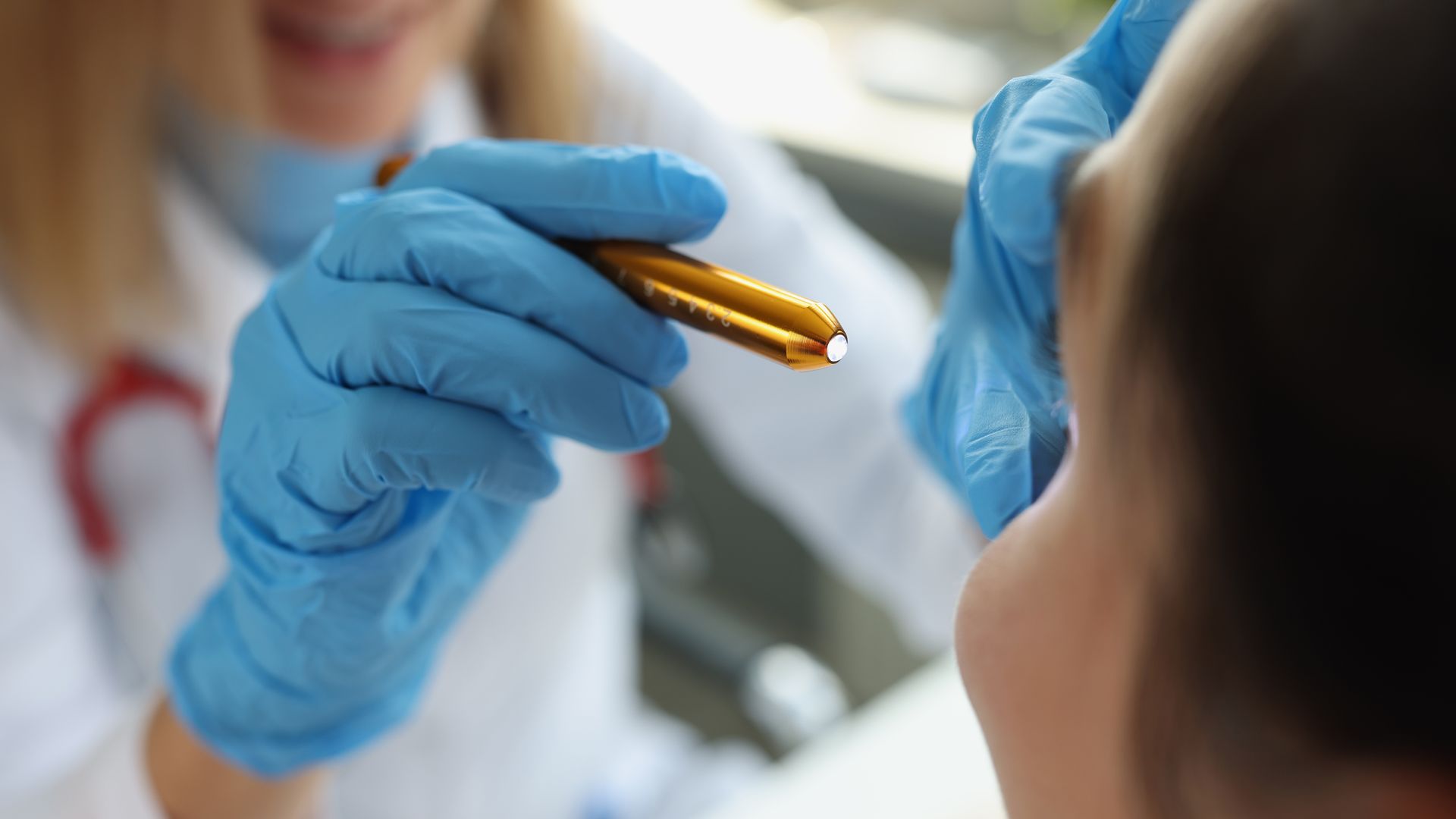
Eye injuries at work can happen in many different ways. A small piece of debris, flying objects, hazardous chemical splash, blunt injuries, or intense light exposure can damage delicate structures inside the eye. Mild to moderate injuries cause temporary irritation that heals with treatment, while others lead to lasting vision problems or permanent loss of sight. The type and severity of the injury play a major role in how a workers’ compensation claim is evaluated.
Below is a comprehensive list of eye injuries seen in workers’ compensation cases, organized from less serious eye injuries to catastrophic damage.
| Injury or Condition | How It Happens or Presents | Typical Claim Outcome |
| Corneal abrasion | A scratch on the surface of the cornea caused by dust, metal fragments, wood chips, or other debris entering the eye. Symptoms often include sharp pain, tearing, redness, and light sensitivity. | Usually resolves within a short period. Medical benefits and short-term time-loss. Typically, no PPD award. |
| Foreign object in the eye | Small particles such as metal shavings, sand, or construction debris can lodge in the eye and cause irritation, tearing, and blurred vision until removed. | Usually temporary. Medical benefits and possible short-term time loss. Typically, no PPD award. |
| Arc eye (welder’s flash) | Intense ultraviolet light from welding equipment or industrial lighting can burn the surface of one or both eyes, leading to severe eye pain, tearing, and temporary vision problems. | Usually temporary irritation. Medical benefits and short-term time-loss. Typically, no PPD award. |
| Chemical eye burn | Exposure to industrial chemicals, solvents, or cleaning agents can damage the cornea and surrounding tissue, sometimes causing scarring of the eye or vision loss. | Severity varies. Medical benefits. Possible PPD award if permanent vision damage occurs. |
| Hyphema (bleeding inside the eye) | A direct blow to the eye can cause blood to collect in the front chamber of the eye, leading to pain, blurred vision, and increased pressure inside the eye. | May require monitoring or surgery. Medical benefits. Possible PPD award if vision impairment remains. |
| Traumatic cataract | Blunt force trauma or penetrating injury can damage the eye’s lens, causing it to become cloudy and gradually reduce visual clarity. | Often requires surgery. Medical benefits. Possible PPD award if permanent vision loss remains. |
| Eye muscle damage | Injuries affecting the muscles that control eye movement can cause misalignment of the eyes and lead to double vision or difficulty focusing. | May cause persistent double vision. Medical benefits. Possible PPD award if the condition becomes permanent. |
| Orbital fracture | A fall, machinery accident, or strike to the face can fracture the bones surrounding the eye socket, potentially affecting eye movement, nerve function, and vision. | May involve nerve damage or require surgery. Medical benefits. Possible PPD award if permanent vision problems remain. |
| Retinal detachment | A strong blow to the head or eye can cause the retina to separate from the back of the eye, producing flashes of light, floating spots, or a shadow across the field of vision. | Often requires surgery. Medical benefits. Moderate to significant PPD award if permanent vision loss occurs. |
| Optic nerve damage | Trauma or internal pressure can injure the optic nerve, interfering with signals between the eye and brain and causing permanent vision impairment. | Often causes permanent impairment. Medical benefits. Significant PPD award likely if vision loss remains. |
| Permanent blurred vision | Structural damage to the eye can prevent the eye from focusing properly, leaving the worker with chronic blurred vision even with corrective lenses. | Lasting visual impairment. Medical benefits and PPD award based on percentage of vision loss. |
| Loss of peripheral vision | Damage to the retina or optic nerve can narrow the visual field, creating blind spots or tunnel vision. | Permanent visual field loss. Medical benefits and PPD award based on severity. |
| Double vision (diplopia) | Damage to the nerves, muscles, or orbital structure can cause the eyes to become misaligned, resulting in persistent double images. | Persistent double vision. Medical benefits and PPD award if the condition is permanent. |
| Partial vision loss | Damage to internal eye structures may permanently reduce visual acuity, affecting reading, driving, or precision work tasks. | Lasting impairment. Medical benefits and PPD award based on percentage of vision loss. |
| Complete vision loss in one eye | Severe trauma can permanently eliminate sight in one eye, affecting depth perception and limiting the ability to perform certain jobs. | Major impairment. Medical benefits and high PPD award approaching or at the maximum for loss of one eye. |
| Globe rupture | A severe blunt or penetrating injury can tear the outer structure of the eye, causing extensive internal damage and often leading to permanent blindness. | Often catastrophic. Medical benefits and high PPD award. May result in loss of the eye. |
| Loss of the eye (enucleation) | In catastrophic injuries, the eye may be surgically removed when the damage cannot be repaired, often following crushing injuries, explosions, or penetrating trauma. | Permanent loss of the eye. Medical benefits and maximum PPD award for loss of one eye. |
| Blindness in both eyes | Catastrophic injuries affecting both eyes can result in total loss of vision and may lead to permanent disability under workers’ compensation. | Complete loss of vision. Maximum PPD award or potential lifetime pension benefits. |
How a Seattle Workers’ Comp Lawyer Can Help With an Eye Injury Claim
Understanding the system and having someone advocate for the full value of the claim can make a meaningful difference in how your case is resolved.
Eye injury claims can be difficult to evaluate because compensation often depends on medical impairment ratings, vision testing, and how L&I interprets those results. Even small differences in how vision loss is measured can significantly affect workers’ comp benefits and the final value of a claim.
An experienced lawyer can help injured workers understand their options and ensure their claim is evaluated fairly. An experienced attorney may be able to help by:
- Reviewing medical records and impairment ratings to determine whether the vision loss has been properly evaluated.
- Helping ensure the injury is properly documented and evaluated by the right specialists, such as ophthalmologists or neuro-ophthalmologists.
- Challenging incorrect or incomplete medical evaluations, including Independent Medical Exams (IMEs) that may underestimate the severity of the injury.
- Protecting time-loss benefits if L&I disputes whether the worker can safely return to work.
- Responding to premature claim closure when L&I attempts to close a claim before the worker’s condition is fully understood.
- Evaluating settlement offers, including Claim Resolution Settlement Agreements, to determine whether the worker is giving up benefits that may be more valuable long term.
- Appealing unfavorable decisions before the Board of Industrial Insurance Appeals when benefits are denied or undervalued.
Get Free Legal Advice About Your Eye Injury Claim
Eye injuries can create lasting uncertainty about your health, your ability to work, and the benefits available through a workers’ compensation claim. While the system is supposed to support injured workers, many people discover that it’s not that straightforward.
Our law firm offers free legal advice to injured workers in Washington. If you have questions about an eye injury claim, a settlement offer, a vision impairment rating, or a claim that may be closing too soon, you can speak with an attorney at no cost. During your free consultation, we can review your situation, explain how Washington’s workers’ compensation system applies to your injury, and help you understand the options available.
FAQs – Workers’ Compensation Settlements for Eye Injuries
What should you do immediately after suffering an eye injury at work?
The first priority is getting medical attention as quickly as possible, even if lasting damage isn’t immediately apparent. Eye injuries can worsen quickly if they are not treated right away, especially when chemicals, debris, or blunt trauma are involved. Immediate treatment also creates medical documentation showing when and how the injury occurred, which can become important when filing a workers’ compensation claim.
Do you need to report an eye injury to your employer right away?
Yes. You should generally report workplace injuries as soon as possible so the incident can be documented and the workers’ compensation process can begin. Reporting the injury promptly also helps prevent disputes later about when the injury occurred or whether it happened at work.
Who determines the vision impairment rating in a workers’ compensation claim?
Permanent vision loss is usually evaluated by a medical specialist, often an ophthalmologist. The doctor measures how much vision has been permanently lost compared to normal visual function and assigns an impairment rating that L&I then uses to calculate awards associated with the injury.
Can you challenge an impairment rating if it seems too low?
Yes. Workers can challenge an impairment rating if they believe the evaluation does not accurately reflect the extent of their vision loss. This may involve obtaining additional medical opinions or appealing the decision through the workers’ compensation system.
Can an eye injury workers’ compensation claim be reopened in Washington?
In some situations, yes. If the condition related to the original eye injury objectively worsens after the claim has been closed, a worker may request that the claim be reopened for additional medical treatment or benefits.
What happens if your employer disputes that the eye injury happened at work?
If the claim is disputed, L&I will review evidence such as medical records, incident reports, and witness statements to determine whether the injury is work-related. If the claim is denied, the worker has the right to challenge that decision through the workers’ compensation appeals process.
What benefits are available if a worker becomes blind from a workplace injury?
Workers who suffer severe vision loss may qualify for several types of workers’ compensation benefits. These can include medical treatment, time loss payments while the worker is unable to work, vocational services, and disability compensation for permanent loss of vision.
How long do you have to file a workers’ compensation claim after an eye injury in Washington?
Workers generally have one year from the date of the injury to file a workers’ compensation claim in Washington. Filing within this time frame is important because missing the deadline can prevent a worker from receiving benefits related to the injury. It is best to file as soon as possible, usually with the first medical appointment.