

A torn rotator cuff can leave you with lasting weakness, limited shoulder movement, and difficulty doing the physical work your job requires. If the injury happened on the job or work made it worse, you have a right to compensation. But Washington’s system only pays for permanent loss. And if your injury isn’t properly rated, your settlement amount will fall short. The L&I knows this and will try to settle cheaply. If you’ve undergone shoulder surgery or your doctor says you need it, your claim has real value, and you’ll need to fight to make sure you receive fair compensation.
What’s the Average Workers’ Comp Settlement for Rotator Cuff Surgery?
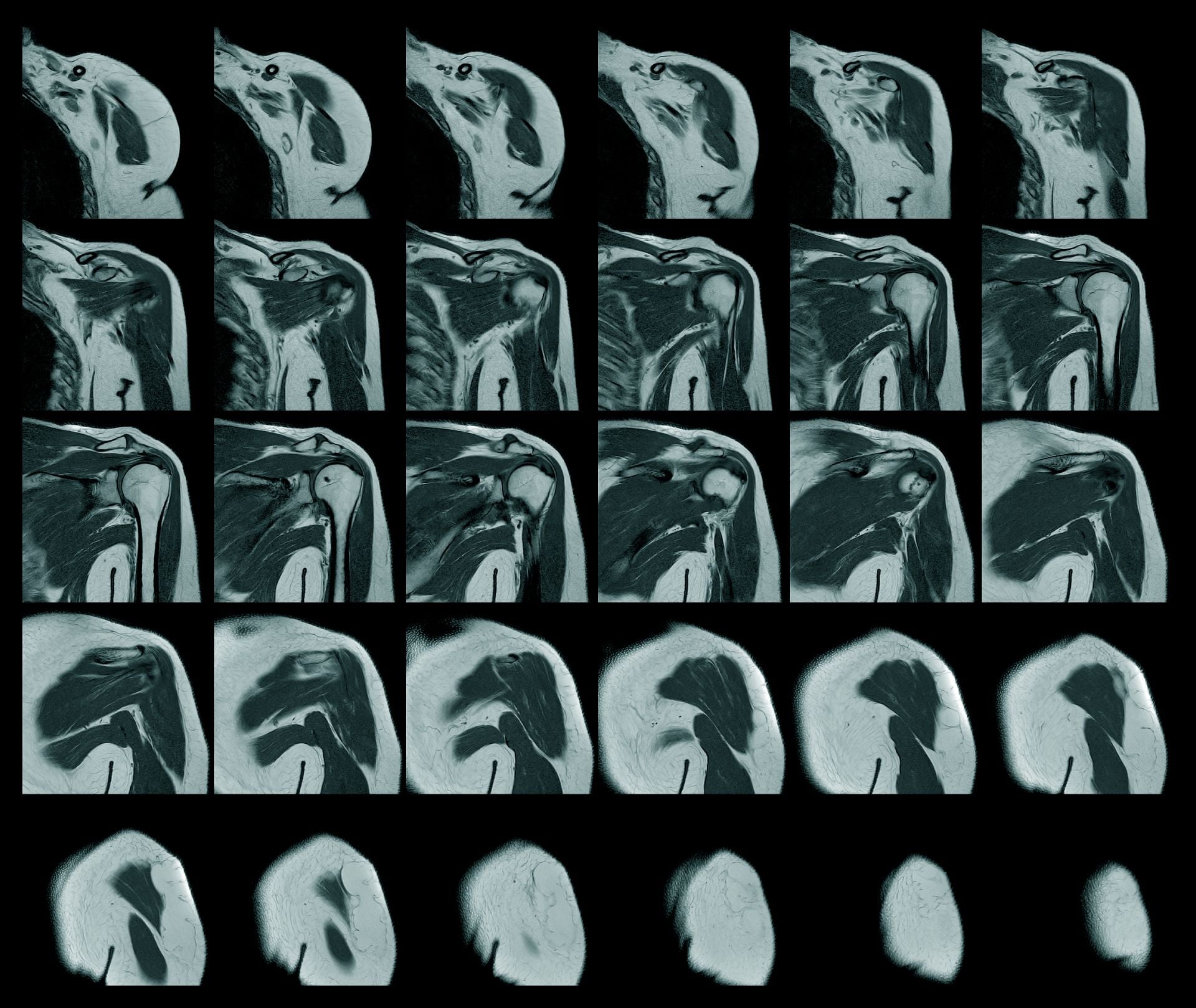
According to national data, the average workers’ compensation settlement for a shoulder injury is $51,750. That includes a wide range of injuries and outcomes, from minor strains to shoulder injuries requiring surgery, and reflects cases from across the country. While this gives you a general picture, it doesn’t account for how Washington actually values your claim.
For rotator cuff tears that require surgery, most rotator cuff injury settlements fall between $10,000 and $50,000, depending on the severity of the injury, how well the repair holds, and whether you regain full strength or range of motion. Claims involving a failed repair or post-surgery complications can result in much higher payouts. These cases often involve more severe injuries or multiple surgeries, which can dramatically increase your potential payout.
Here’s how rotator cuff injuries are commonly valued based on severity:
| Severity | Examples of Associated Injuries | Typical Settlement Range |
|---|---|---|
| Minor | Bursitis, tendonitis, partial tears not requiring surgery | $2,000 – $10,000 |
| Moderate | Full-thickness rotator cuff tear, labrum tear, surgical repair | $10,000 – $50,000 |
| Severe | Failed rotator cuff surgery, shoulder replacement, fractures | $50,000 – $150,000+ |
The information in these charts and the dollar figures listed are provided to help readers evaluate their claims. There is no guarantee that your claim will produce the same results. Past outcomes do not ensure future success. Each case is unique and will be evaluated independently. Your outcome will depend on various factors, including the facts, the law, timeliness, advocacy, and unforeseen circumstances.
The information on this website is provided to help interested persons understand the role that legal services play in the claim process. This data is intended solely for informational purposes and does not constitute legal advice. It is not a replacement for consultation with a qualified attorney about your specific legal situation. Click here for a free consultation with an attorney.
These are national estimates, not guaranteed payouts. Washington workers’ comp doesn’t use averages; it uses a workers’ compensation process that calculates awards based on documented loss of function. Your final settlement depends on multiple factors, including how much permanent damage your doctor documents, how that loss is rated, and whether you’re able to return to your job.
How Washington Values Rotator Cuff and Shoulder Injury Claims
Washington doesn’t use national averages to determine how much you’re owed. Instead, the Department of Labor & Industries (L&I) uses a workers’ compensation schedule called the Permanent Partial Disability (PPD) award system. It assigns a dollar amount to specific body parts. If your doctor determines you’ve permanently lost function in your shoulder, your award is calculated based on how much of that body part is impaired.
Shoulder injuries are rated based on injury location, for example, the maximum PPD award for the “Arm at or above the deltoid insertion or by disarticulation of the shoulder” injury location, which is $158,599.41. Here’s how Washington defines arm impairments under the current PPD schedule:
| Injury Location | Maximum PPD Award |
|---|---|
| Arm at or above the deltoid insertion or by disarticulation of the shoulder | $158,599.41 |
| Arm below the deltoid insertion to below the elbow at the insertion of the biceps | $150,669.36 |
| Arm from below the elbow to mid-hand (including mid-metacarpal amputation) | $142,739.49 |
The information in these charts and the dollar figures listed are provided to help readers evaluate their claims. There is no guarantee that your claim will produce the same results. Past outcomes do not ensure future success. Each case is unique and will be evaluated independently. Your outcome will depend on various factors, including the facts, the law, timeliness, advocacy, and unforeseen circumstances.
The information on this website is provided to help interested persons understand the role that legal services play in the claim process. This data is intended solely for informational purposes and does not constitute legal advice. It is not a replacement for consultation with a qualified attorney about your specific legal situation. Click here for a free consultation with an attorney.
If, pursuant to the above example, your rotator cuff injury causes permanent loss of strength, mobility, or endurance in the shoulder, your workers’ compensation claim will be based on a percentage of $158,599.41, as determined by your doctor’s rating. For example, a 30% permanent loss would result in a payout of $47,579.82.
That rating doesn’t come from how much your shoulder hurts. It is based on objective medical findings, range-of-motion measurements, and surgical outcomes. If you recover most of your function, your award will be lower. But if your surgery leads to lasting restrictions, reduced lifting ability, or a permanent lifting restriction, your rating and final award can go much higher.
What Other Shoulder Injuries Qualify for Workers’ Comp?
Rotator cuff tears are the most talked-about shoulder injuries in workers’ compensation cases, but they’re just one of many that can qualify for benefits in Washington. Whether the damage is caused by a single accident or months of repetitive use, you’re entitled to compensation if the injury affects your ability to work. Such workplace injuries often lead to limitations that qualify you for a claim, even if you didn’t need surgery right away. Here are examples of shoulder injuries that may qualify for coverage:
| Injury | Description |
|---|---|
| Labral tear | A tear in the cartilage that helps stabilize the shoulder socket; it often causes pain, clicking, and instability. |
| SLAP tear | A labrum tear at the top of the socket where the biceps tendon attaches; it is common in overhead or lifting jobs. |
| Bursitis | Inflammation of the bursa sac from overuse or friction can severely limit motion and may require surgery. |
| Frozen shoulder | Also called adhesive capsulitis, this painful stiffness can make it nearly impossible to lift your arm. |
| Shoulder dislocation | When the upper arm bone pops out of the joint, it often damages ligaments and leads to long-term weakness. |
| Shoulder impingement | Pinching of soft tissue in the shoulder during movement may progress to a rotator cuff tear if untreated. |
| Fractured clavicle | A broken collarbone can affect shoulder alignment and healing; it is common in fall or impact injuries. |
| Biceps tendon rupture | Tearing of the tendon that runs through the shoulder, reducing lifting strength and grip power. |
| Post-traumatic shoulder arthritis | Joint degeneration caused by earlier shoulder injuries often leads to chronic pain and extensive medical treatment. |
These types of injuries may require physical therapy, ongoing care, or even surgery to restore partial function. If you’re dealing with such injuries, it’s important to document how they affect your job duties and follow through on treatment, especially if your doctor recommends restrictions or a more extended recovery plan.
How Your Shoulder Works After Surgery Matters More Than the Operation

Don’t make the mistake of thinking your rotator cuff claim ends when the surgery’s done. What matters most isn’t the procedure. It’s what you’re left with afterward.
Workers’ compensation settlements in Washington are based on permanent loss of function. That means how high you can lift your arm, how much strength you have left, and whether you can still reach, push, pull, or work overhead. If you can’t get your arm above shoulder height without pain or weakness, that’s a permanent impairment, and it needs to be rated as such.
Too many rotator cuff injury cases settle based on the fact that the worker “had surgery,” without understanding that the award depends on what the shoulder can actually do now. The Department of Labor & Industries uses range of motion and strength testing to assign a dollar value. If your doctor doesn’t push for those tests or L&I’s IME doctors use the wrong measurements, you could lose out on thousands.
This is especially true if your procedure was a minimally invasive procedure, like arthroscopy. Just because it’s less invasive doesn’t mean your loss of function is minor. If your shoulder never fully recovers, the outcome, not the treatment, should guide your claim. Make sure your case reflects long-term limitations, not just the type of procedure you had.
What Are My Options if Surgery Fails or I Don’t Regain Full Function?
Some workers never regain full strength or mobility, even after doing everything right. If your shoulder still can’t perform the way it used to, you’re not stuck. But you do need to act fast and be strategic about what happens next. Depending on your situation, you may have several options:
- Request a second opinion if your provider isn’t taking your ongoing symptoms seriously
- Push for further medical treatment, such as additional imaging, injections, or revision surgery
- Get a permanent impairment rating if your shoulder has reached maximum medical improvement (MMI)
- Request a functional capacity evaluation (FCE) to document strength loss and mobility limits
- Apply for vocational retraining if you can’t return to your old job
- Pursue a total disability pension if you’re unable to work at all
- File for a claim reopening if your condition worsens after the claim closes
In cases involving serious injuries or ongoing complications, your claim may be worth significantly more. That’s especially true if you’re facing future medical expenses, have already had multiple surgeries, or will require long-term care to manage your condition.
If you’re in this position, don’t wait around hoping L&I will guide you. Talk to your doctor and ask if you’ve reached maximum medical improvement. If they won’t help, switch providers. Then get the testing and documentation you need before L&I moves to close your case or limit your award.
You’re not expected to make a full recovery. But if your shoulder can’t do the job, your claim needs to reflect that, and your potential settlement needs to account for what comes next.
Do You Need a Lawyer for a Shoulder Claim?
If your shoulder injury is minor, heals fully, and doesn’t interfere with your ability to work, you may be able to handle your L&I claim without an attorney. But once surgery is involved or if your shoulder still can’t do the job, things get complicated fast. Rotator cuff injuries often lead to long-term limitations. And L&I doesn’t make it easy to get the compensation you deserve. That’s when legal help becomes critical.
An experienced workers’ compensation attorney can provide the kind of legal guidance you need to navigate a complex system and avoid costly mistakes. Here’s how a lawyer can help:
- Ensure your permanent disability is rated correctly. Your lawyer will ensure your range of motion, loss of strength, and surgical outcome are fully accounted for under Washington’s PPD schedule.
- Prevent premature claim closure. If L&I tries to close your claim before you have finished healing or before necessary surgery has been authorized, a lawyer can keep the claim open and push back on early termination.
- Coordinate with your doctor to document lasting restrictions. Many claims fall apart because the attending physician doesn’t explain your work limitations clearly enough. An attorney can help your provider submit stronger records.
- Fight against inappropriate job placements. If you’re being pressured into a role that doesn’t match your abilities, especially one requiring overhead lifting, a lawyer can stop that and preserve your rights.
- Get you approved for retraining or vocational services. If you can’t go back to your old job, an attorney can help you qualify for new training and employment support.
- Maximize the final settlement or award. Your lawyer will review your claim details, to pursue the highest possible recovery.
- Pursue a total disability pension if you can’t return to work at all. If no realistic job options exist due to your injury, your attorney can help build the case for a lifelong pension. Pensions are good.
If your shoulder still isn’t right, and L&I is treating you like you have healed, it’s time to talk to someone who knows how to get results.
Get Help With Your Shoulder Claim
A torn rotator cuff is painful. Fighting with L&I shouldn’t make it worse. If you’re still in treatment, facing job pressure, or being told your claim is “ready to close,” now is the time to get moving.
At our Law Firm, we stand up for Washington workers, especially those recovering from major shoulder surgeries. Whether you’ve had a work-related injury or complications from arthroscopic shoulder surgery, we know what it takes to protect your claim and fight for what’s fair.
Don’t wait until L&I cuts you off. Seek medical attention early, follow through with care, and don’t face the system alone. The settlement process can move quickly, and once your case is finally closed, it’s much harder to fix.
Call us now for a free consultation. We’ll review your claim, explain your rights, and help you decide what to do next. There’s no obligation and no fee unless we win.
FAQs – Rotator Cuff Workers’ Comp Claims
Can I still file a shoulder claim if I didn’t report the injury right away?
Yes, but it can be harder. Many rotator cuff injuries are overuse injuries that worsen over time. If your pain crept in gradually and you delayed reporting it, you’ll need strong documentation and immediate medical attention going forward. A lawyer can help prove the connection.
What if my shoulder injury was made worse by my job, not caused by it?
You may still qualify. Washington workers’ comp covers aggravations of pre-existing conditions. If work activity contributed to your rotator cuff tear or made your recovery harder, it should still be compensable under L&I.
I had surgery, but my shoulder keeps popping or locking. Is that covered?
It can be. Mechanical issues after surgery, such as joint instability, clicking, or locking, should be reported to your doctor and documented. If your claim is still open, these complications may increase your award or justify additional care and workers’ comp benefits.
What if I injure the same shoulder again after claim closure?
You can reopen the claim if your condition worsens with normal activity. But you’ll need medical proof showing a clear connection to the original injury. Reinjury or gradual deterioration of a rotator cuff repair can be enough, especially if it affects your ability to work or leads to settlement negotiations. If you have a new injury, then file a new claim.
Does L&I pay for a second rotator cuff surgery if the first one didn’t work?
If the claim is still open or it can be reopened, you may be eligible for additional surgery. But L&I may resist authorizing it unless your doctor clearly explains why it’s necessary and related to the original injury. In these cases, your attorney can push for an appropriate settlement amount that reflects both past and future needs, whether the cause was overuse, trauma, or even a car accident on the job.